












Composite Toe vs Steel Toe Safety Boots: Which Should You Choose?
When you're buying a new pair of safety boots, the toe cap matters more than most people realise. Get it wrong and you're either lugging unnecessary weight around all day or wearing boots that aren't suited to your site conditions.
The composite vs steel toe debate has been running for years, and the honest answer is that neither is universally better. They're built for different environments, different priorities, and different people. What matters is knowing which one fits your job.
This guide covers everything you need to make the right call - weight, protection, temperature, metal detectors, cost, and which trades tend to lean one way or the other.
What's Actually Inside the Toe Cap?
It helps to understand what you're working with before comparing the two.
Steel Toe Cap Boots
Steel toe caps are exactly what they sound like; a formed piece of steel built into the front of the boot. They've been the industry standard for decades and remain the most widely used toe protection in the UK. Steel is dense, strong, and reliable. It meets EN ISO 20345 safety standards and handles serious impact and compression loads without issue.
Composite Toe Cap Boots
Composite toe caps are made from non-metal materials; typically some combination of carbon fibre, Kevlar, fibreglass, or hard plastic. They're engineered to meet the same EN ISO 20345 standard as steel, so they're not a compromise on protection. They just get there differently, using layered materials rather than a single metal component.
Both types are tested to the same impact resistance rating (200 joules) and compression resistance. The differences show up beyond that baseline.
The Key Differences
1. Weight
This is where composite wins, and it's not particularly close. Steel toe caps add real weight to a boot. Over an eight, ten, or twelve-hour shift, that accumulates. Workers who spend long periods on their feet (covering large sites, climbing ladders or moving between locations) often feel it by the end of the day.
Composite toe caps are noticeably lighter. For anyone already dealing with fatigue, heavy PPE, or physically demanding work, that reduction in boot weight can genuinely change how you feel at the end of a shift. If fatigue is a real concern in your job, composite toe boots, like these new ones from Steel Blue, are worth serious consideration.
2. Protection Level
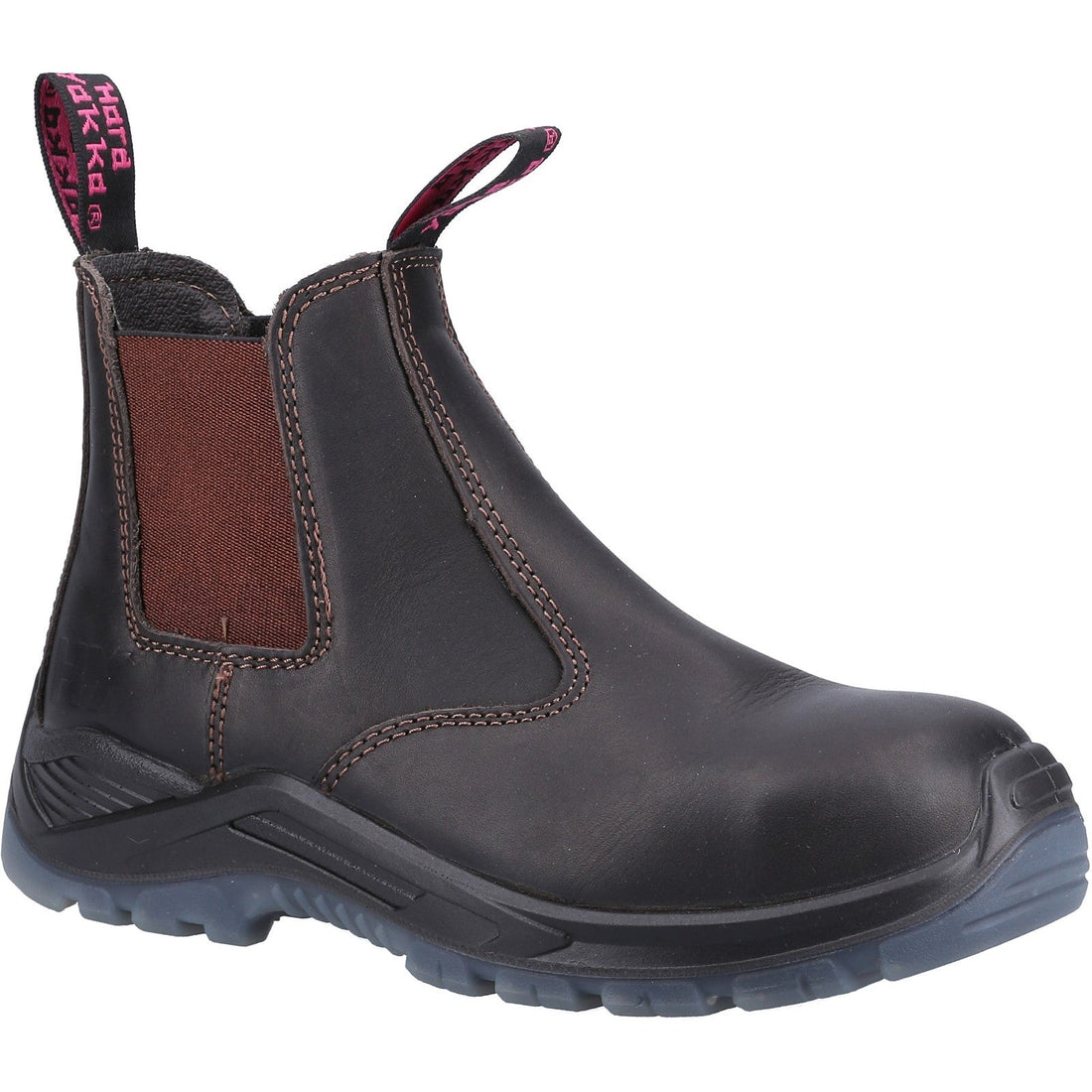
Both types meet EN ISO 20345, meaning both offer the same rated impact and compression protection. For most working environments, the practical difference is negligible. Steel does have a slight edge in extreme compression scenarios. So if you're in an environment where very heavy or sharp objects could land directly on your foot (like in heavy engineering, steel fabrication and certain construction settings) steel toe cap boots like these, hold up marginally better under extreme load simply because steel is harder to deform.
For the vast majority of workers, both options are more than adequate. The gap is narrow enough that it shouldn't be the deciding factor unless your environment is genuinely extreme or your employer/industry have specific requirements. Always check to make sure you're adhering to site safety rules.
3. Metal Detector Compatibility
This is one of the clearest practical differences between the two, and for certain industries it's the only one that matters. Steel toe caps will trigger metal detectors.
If you work in an airport, a secure facility, a food production site, or anywhere that involves regular security screening, steel toe boots (especially those without an easy on and off side zip) create a daily inconvenience at best and a genuine operational problem at worst.
Composite toe caps contain no metal. They pass through detectors without issue. In these environments, composite isn't just a preference - it's often a requirement.
4. Temperature Performance
Steel conducts heat and cold. In hot environments, steel toe caps can become uncomfortable as they absorb and retain heat. In cold conditions like outdoor winter work, cold storage or refrigerated environments, steel gets cold quickly and adds to discomfort.
Composite materials don't conduct temperature the same way. They stay closer to ambient temperature rather than amplifying whatever extreme you're working in. For outdoor workers in cold climates or anyone in temperature-controlled cold environments, this is a meaningful advantage.
5. Electrical Hazard Considerations
Many composite toe boots carry an electrical hazard (EH) rating, making them the preferred choice for electricians, utility workers, and anyone working near live electrical systems. If your work involves electrical risk, check the EH rating on any boot you're considering. Composite toe options are far more likely to carry it.
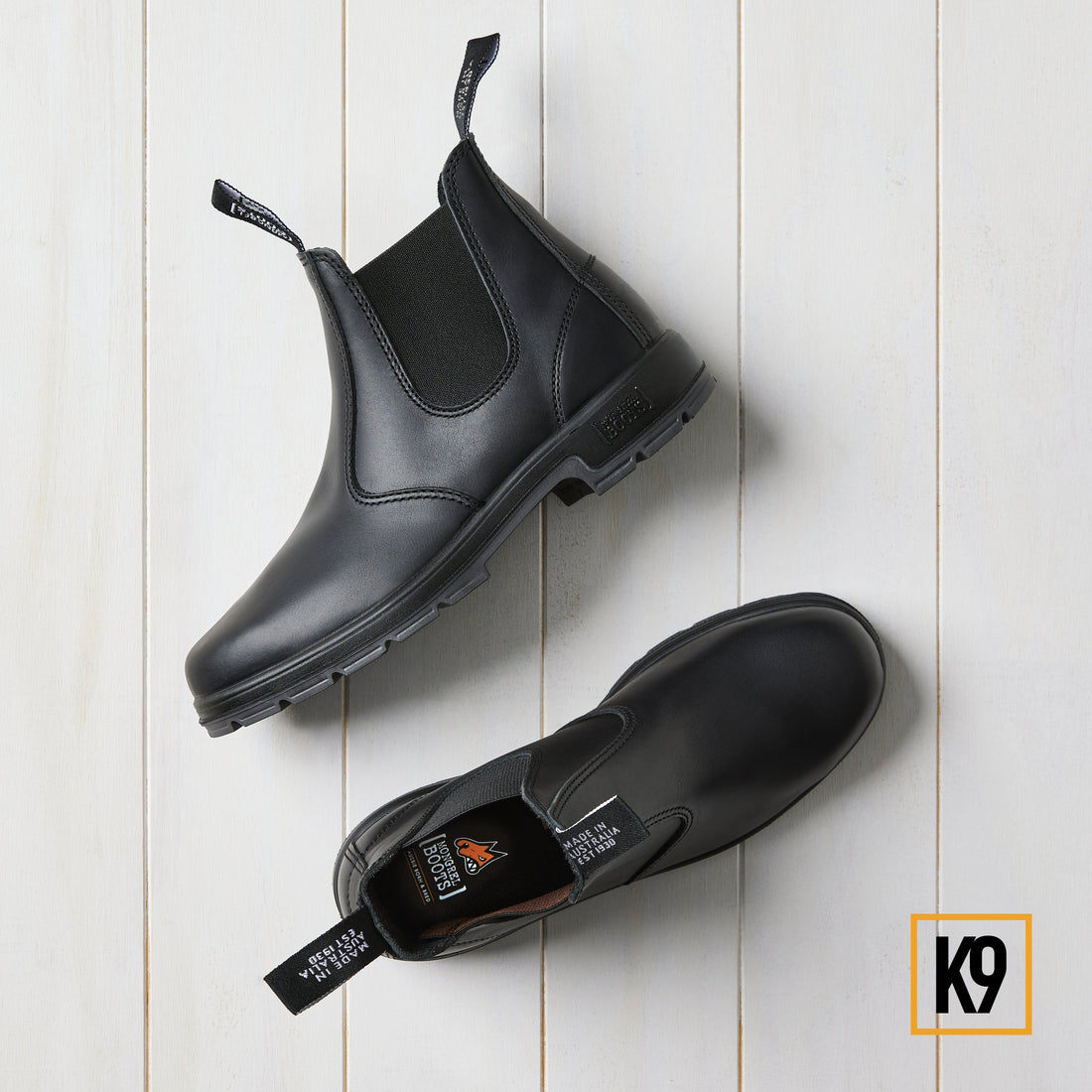
Anti-static steel toe boots are specialised safety footwear designed to minimise the buildup of static electricity on the body, safely dissipating it into the ground. By controlling electrical resistance, these boots prevent sudden sparks that can ignite flammable materials, dust, or vapors, making them essential in high-risk environments such as fuel handling, painting, and manufacturing. Boots like the Southern Cross from Steel Blue or the 561 from Mongrel both offer anti-static protection designed to reduce the possibility of electrocution if contact is made with live circuits.
6. Durability
Steel is extremely durable. It doesn't crack, doesn't degrade over time, and holds its shape under repeated stress. Composite materials, while strong, can be more susceptible to cracking under severe repeated impact - though in normal working conditions, this rarely becomes a practical issue. If your boots are going to take a serious daily beating in a heavy industrial environment, steel has a slight long-term durability edge.
Which Toe Cap Suits Your Trade?
Rather than thinking in abstract terms, it's more useful to consider the specific demands of your job.
Construction and General Site Work
Steel toe cap boots remain the dominant choice on UK construction sites. They're robust, affordable, and well-suited to environments where heavy materials, tools, and equipment are constantly in use.
Groundworkers, bricklayers, carpenters, and general labourers typically lean towards steel. That said, composite is increasingly common on site, particularly among workers covering large distances on foot or those who are conscious of end-of-day fatigue.
Electrical and Utilities
Composite is the standard here. Electrical hazard ratings, no metal conductivity, and compatibility with site security measures make composite toe boots the sensible choice for electricians, gas engineers, and utility workers.
Warehousing and Logistics
Lightweight safety boots matter in warehousing, where workers are on their feet for long periods and often moving quickly. Composite toe boots are popular in this sector for exactly that reason. Metal detector compatibility is also relevant in some logistics and distribution facilities.
Manufacturing and Heavy Industry
Steel toe caps hold their ground in heavy manufacturing like steel fabrication, engineering workshops, and industrial settings where extreme compression or impact is a realistic risk. The strength and durability of steel makes it the conservative, reliable choice.
Food Production
Metal detector compatibility makes composite toe boots the standard in food production and processing. Steel toe boots are often prohibited on the factory floor for this reason alone.
Outdoor and Cold Weather Work
For workers spending long hours outdoors in cold conditions - ground workers in winter, utility workers or agricultural roles, the thermal properties of composite toe boots offer a practical advantage. Combined with proper insulation in the boot itself, composite toe caps help keep feet more comfortable when the temperature drops.
Airport and Secure Facilities
No contest. Composite toe boots are the only practical option for workers who pass through metal detectors as part of their daily routine.
A Quick Comparison
|
Feature |
Steel Toe Cap |
Composite Toe Cap |
|
Weight |
Heavier |
Lighter |
|
Protection Rating |
EN ISO 20345 |
EN ISO 20345 |
|
Metal Detector Safe |
No |
Yes |
|
Temperature Insulation |
Poor |
Better |
|
Durability |
Excellent |
Good |
|
Best for |
Heavy industry, construction |
Electrical, food production, logistics |
Common Questions
Are composite toe boots as safe as steel toe boots?
Yes. Both meet EN ISO 20345, which requires resistance to 200 joules of impact and a defined level of compression resistance. Composite toe boots aren't a lesser option, they're a different option, engineered to meet the same protection requirements using different materials.
Can I wear composite toe boots on a construction site?
In most cases, yes. As long as the boots carry the appropriate EN ISO 20345 certification and any additional ratings required by your employer or site rules, composite toe boots are perfectly acceptable on construction sites. Always check your employer's PPE requirements before buying.
Do composite toe boots set off metal detectors?
No. Composite toe caps contain no metal and won't trigger metal detectors. That's one of the main reasons they're preferred in airports, food production, and secure facilities.
Are steel toe boots better in wet conditions?
The toe cap material doesn't directly affect waterproofing; that comes from the boot's upper and construction. Both steel and composite toe boots are available in waterproof versions. If wet conditions are a concern, look for boots with waterproof membranes or treated leather regardless of which toe cap you choose.
Good waterproof options to take a look at include these S7 work boots from Hard Yakka and these waterproof boots from Steel Blue.
Find the Right Safety Boots for Your Work
Whether you need lightweight composite toe boots for a long shift in logistics or robust steel toe cap boots for a demanding construction site, the right pair makes a genuine difference to how you work and how you feel at the end of the day.
Browse safety boots by trade, brand, and protection type at bigboots.co.uk - a full range of quality work boot brands built for real working conditions across the UK.