











Best Women's Work Boots for Office and Construction in 2026: Complete Buying Guide
Table of Contents
- Why Women's Work Boots Matter More Than Ever
- Key Features to Look for in Women's Work Boots
- Best Women's Work Boots for Office Environments
- Top Construction Work Boots for Women
- Safety Standards and Certifications
- Comfort and Fit Considerations
- Style Meets Function: Professional Options
- Maintenance and Care Tips
- Where to Buy Quality Women's Work Boots
- FAQs
Why Women's Work Boots Matter More Than Ever
The workplace landscape has changed dramatically. Women now represent 47% of the UK workforce, with increasing numbers in traditionally male-dominated fields like construction, manufacturing, and engineering. Yet finding proper work boots designed specifically for women's feet remains a challenge.
Generic "unisex" boots often fail to address the anatomical differences between men's and women's feet. Women typically have narrower heels, higher arches, and different pressure points. This mismatch leads to discomfort, reduced productivity, and potential safety risks.
The demand for women's work boots has grown by 23% in the past two years alone. Modern working women need footwear that meets strict safety requirements while maintaining a professional appearance suitable for client meetings or office environments.

Key Features to Look for in Women's Work Boots
Safety Protection Elements
Steel Toe Caps: Essential for construction and industrial work, steel toe boots protect against falling objects up to 200 joules of impact. Look for boots meeting EN ISO 20345 standards.
Slip-Resistant Soles: Rubber outsoles with deep tread patterns provide grip on wet, oily, or uneven surfaces. The best women's safety boots feature multi-directional tread designs.
Electrical Hazard Protection: EH-rated boots protect against electrical shock up to 18,000 volts in dry conditions. Important for electrical work or environments with live wires.
Puncture Resistance: Steel or composite plates in the midsole prevent sharp objects from penetrating through the sole.
Comfort and Support Features
Arch Support: Proper arch support reduces foot fatigue during long work days. Look for boots with contoured footbeds or removable insoles.
Cushioning: EVA midsoles or gel inserts absorb impact and reduce stress on joints. Memory foam collars add ankle comfort.
Breathability: Moisture-wicking linings and breathable materials prevent overheating and odor buildup.
Ankle Support: Higher boot styles provide stability on uneven terrain while preventing ankle rolls.
Best Women's Work Boots for Office Environments
Office work boots need to balance safety requirements with professional appearance. Many women work in environments requiring safety footwear but also attend meetings or interact with clients.
Stylish Safety Options
Low-Profile Safety Boots: These look similar to dress boots but include safety features like composite toe caps and slip-resistant soles. The safety elements are less obvious, maintaining a professional appearance.
Oxford-Style Safety Shoes: Lace-up designs that resemble business casual shoes while meeting safety standards. Perfect for office environments with occasional warehouse visits.
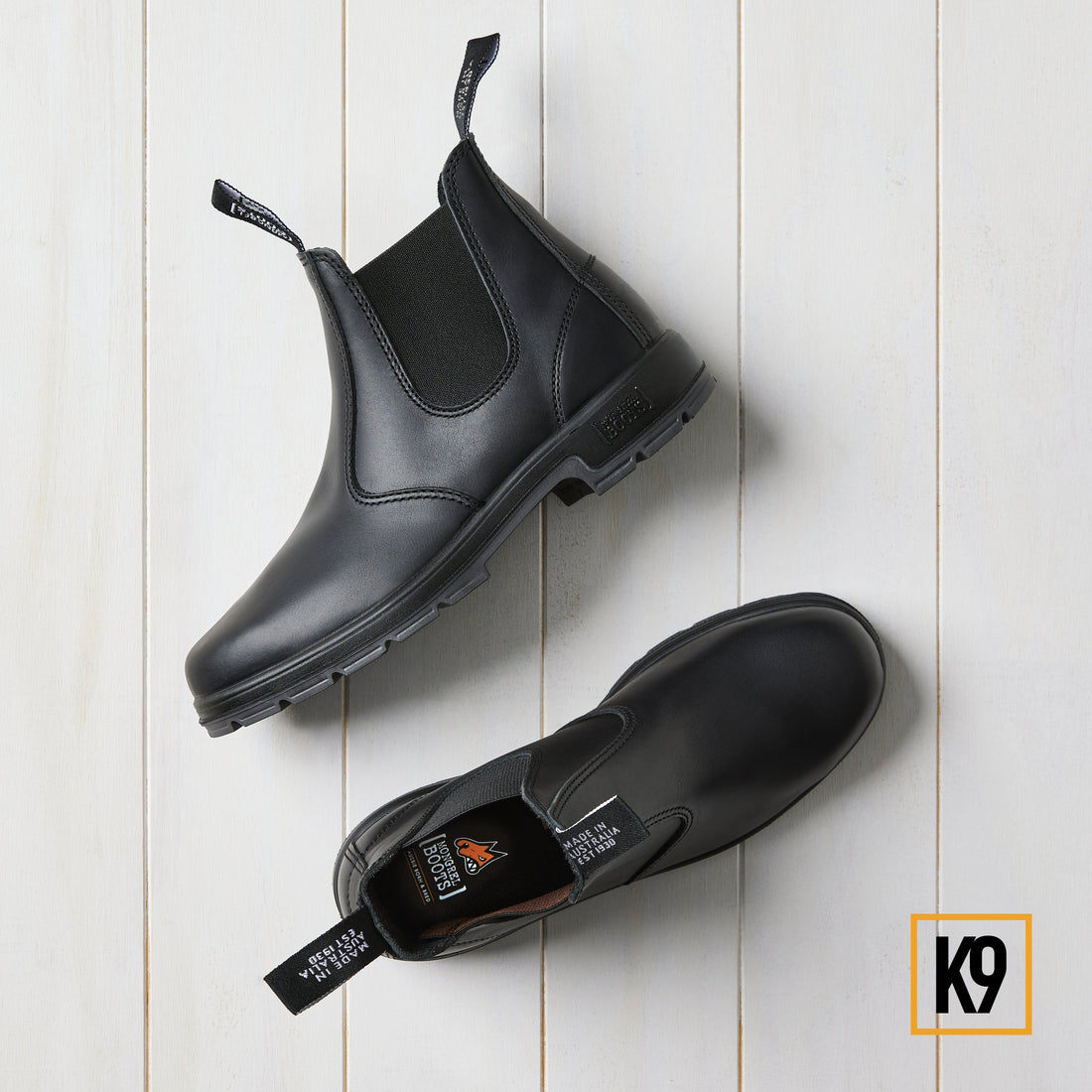
Chelsea Boot Styles: Slip-on designs with elastic side panels offer convenience while providing necessary protection. We've had great feedback about Mongrel Boots here in the UK.
Colour and Material Considerations
Black leather remains the most versatile choice for office work boots. It pairs well with business attire and hides scuffs better than lighter colors. Brown leather offers a softer, more approachable look suitable for creative industries.
Synthetic materials often provide better water resistance and easier cleaning, important for maintaining a professional appearance.

Top Construction Work Boots for Women
Construction sites demand maximum protection and durability. Women's steel toe boots for construction work must meet rigorous safety standards while providing all-day comfort.
Heavy-Duty Protection Features
Metatarsal Guards: Extended protection covering the top of the foot beyond the toe area. Essential for welding, heavy machinery operation, or environments with falling hazards.
Waterproof Construction: Sealed seams and waterproof membranes keep feet dry in wet conditions. Look for boots with waterproof ratings of at least 8 hours.
Heat Resistance: Soles rated for temperatures up to 300°F protect against hot surfaces common in construction and manufacturing.
Chemical Resistance: Specialized materials resist oils, acids, and other chemicals found on industrial sites.
Durability Factors
Construction boots face harsh conditions daily. Full-grain leather uppers resist abrasion better than split leather. Reinforced stitching at stress points prevents premature failure.
Goodyear welt construction allows for resoling, extending boot life significantly. While initially more expensive, these boots offer better long-term value for daily construction work.
Safety Standards and Certifications
Understanding safety ratings helps you choose appropriate protection for your work environment.
UK and European Standards
EN ISO 20345: The primary European standard for safety footwear. Boots marked SB, S1, S2, S3, S4, or S5 meet different protection levels.
- SB: Basic safety with toe protection
- S1: SB plus closed heel and antistatic properties
- S2: S1 plus water resistance
- S3: S2 plus puncture-resistant sole and cleated outsole
ASTM Standards: American standards often used by international companies. ASTM F2413 covers protective footwear requirements.
Specialized Certifications
Electrical Hazard (EH): Protects against electrical shock in dry conditions up to 18,000 volts.
Conductive (CD): Allows static electricity to dissipate, important in environments with explosive materials.
Static Dissipative (SD): Provides controlled static dissipation without full conductivity.

Comfort and Fit Considerations
Proper fit is essential for both comfort and safety. Ill-fitting boots cause blisters, fatigue, and can compromise protection.
Sizing Guidelines
Women's work boots should provide thumb-width space between the longest toe and boot end. Feet swell throughout the day, so try boots on in the afternoon for accurate sizing.
Width matters as much as length. Many women need narrow or wide widths for proper fit. Boots too narrow cause pressure points and reduced circulation.
Break-In Period
Quality leather boots require a break-in period of 40-80 hours of wear. Start with shorter periods and gradually increase wear time. Thick socks and moleskin patches prevent blisters during break-in.
Some manufacturers offer pre-broken-in options using special treatments to soften leather before sale.
Insole Options
Removable insoles allow customization for individual foot shapes. Orthotic insoles address specific issues like plantar fasciitis or flat feet.
Gel insoles provide extra cushioning for concrete floors. Memory foam insoles mold to foot shape over time, improving comfort.
Style Meets Function: Professional Options
Modern women's work boots successfully combine safety features with attractive styling. You no longer need to choose between protection and appearance.
Design Elements
Sleek Silhouettes: Streamlined designs avoid the bulky appearance of traditional work boots while maintaining protection levels.
Quality Hardware: Brass or stainless steel eyelets and buckles add visual appeal while resisting corrosion.
Refined Details: Contrast stitching, embossed logos, or subtle color accents create visual interest without compromising professionalism.
Versatile Styling
Choose boots that transition from work to after-work activities. Black or brown leather boots pair well with both work uniforms and casual clothing.
Ankle-height boots work with pants or skirts, providing more styling flexibility than traditional tall work boots.
Maintenance and Care Tips
Proper care extends boot life and maintains professional appearance.
Daily Care
Remove dirt and debris after each use. Allow boots to air dry completely before storing. Rotate between two pairs when possible to allow thorough drying.
Use cedar shoe trees to maintain shape and absorb moisture. Replace laces when they show wear to prevent unexpected failure.
Weekly Maintenance
Clean leather boots with saddle soap or specialized leather cleaner. Apply conditioner monthly to prevent cracking and maintain water resistance.
Inspect soles for wear patterns indicating fit issues or gait problems. Replace boots when tread depth becomes insufficient for safe traction.
Seasonal Care
Apply waterproofing treatments before wet seasons. Store boots in cool, dry locations away from direct heat sources that can crack leather.
Professional resoling services can extend boot life for high-quality construction. Consider this option when uppers remain in good condition but soles show wear.
Where to Buy Quality Women's Work Boots
Finding the right women's work boots requires shopping from retailers who understand the unique needs of working women.
Specialist workwear retailers offer the best selection and expertise. They understand safety requirements and can help match boots to specific work environments.
We provide an extensive selection of women's work boots from leading brands, organised by trade and product type for easy browsing. Our online platform allows you to compare safety features, read detailed specifications, and access customer reviews to make informed decisions.
When shopping online, check return policies carefully. Many retailers offer free returns within 30 days, allowing you to test fit and comfort before committing to a purchase.
Trying Before Buying
Sizing can vary between manufacturers, and foot shape affects fit significantly. So make sure to check your retailer offers free returns or exchanges.
Bring work socks when trying on boots, as thick socks affect fit and comfort. Walk around on carpet to assess comfort and identify pressure points, so to not damage or mark the boots (incase you need to return them).
Brand Considerations
Read customer reviews focusing on long-term wear experiences rather than initial impressions. Pay attention to comments about durability, comfort after break-in, and how boots hold up in specific work environments. Our store reviews are available on Google, plus individual product reviews under each product online.
FAQs
What's the difference between women's work boots and men's work boots?
Women's work boots are designed specifically for female foot anatomy, featuring narrower heels, different arch positioning, and adjusted toe box shapes. They often use different last shapes during manufacturing to better accommodate women's feet, resulting in improved comfort and fit compared to simply sizing down men's boots.
How long should women's work boots last?
Quality women's work boots typically last 6-18 months with daily use, depending on work conditions and boot quality. Office environments may extend this to 2-3 years, while heavy construction work may require replacement every 6-8 months. Proper care and rotation between pairs can significantly extend boot life.
Can I wear women's steel toe boots in an office setting?
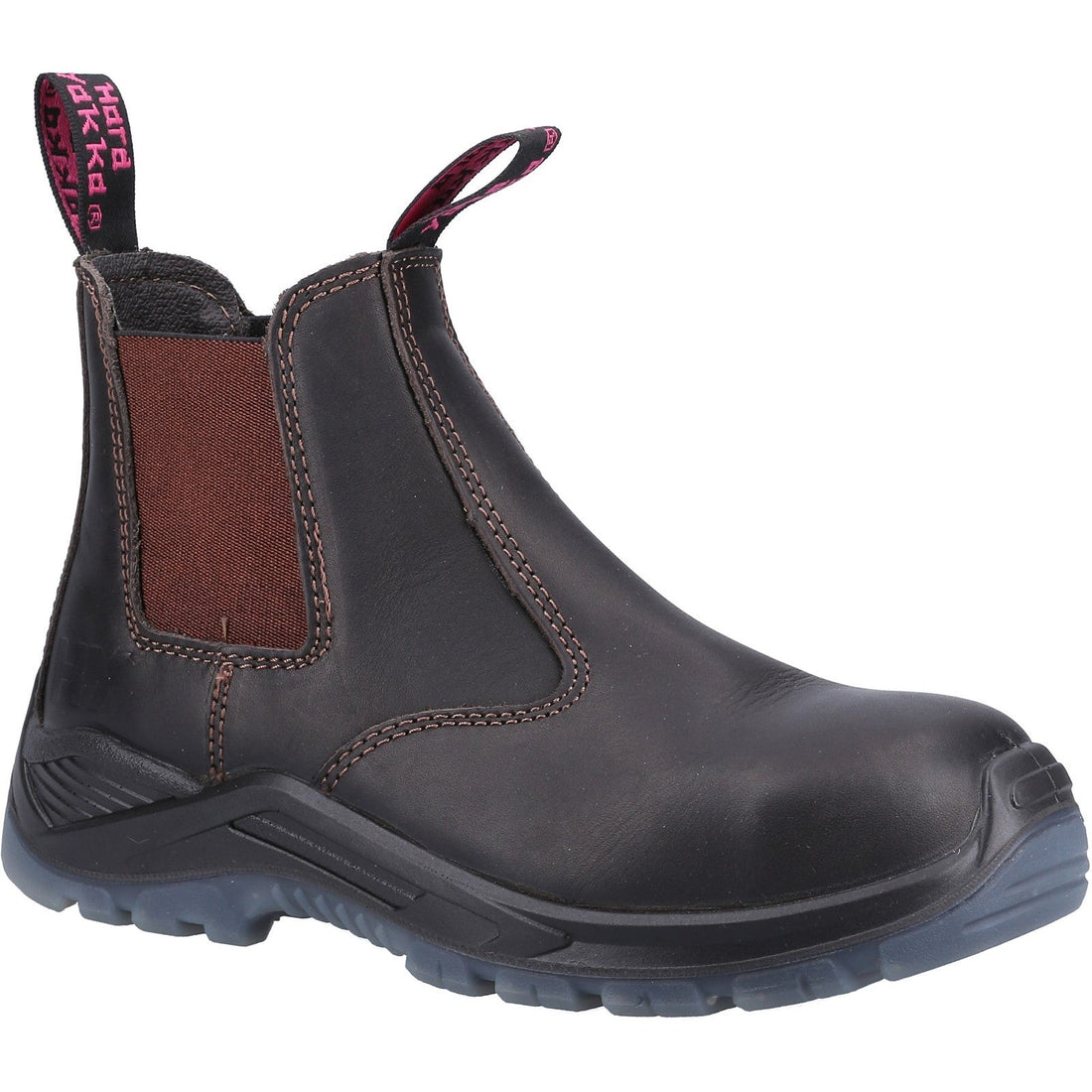
Yes, many modern women's steel toe boots are designed to look professional while meeting safety requirements. Look for low-profile designs, oxford styles, or Chelsea boots that incorporate safety features discretely. Black leather options (like this) typically work best in professional environments.
What safety certifications should I look for in women's work boots?
Look for EN ISO 20345 certification with appropriate safety levels (S1-S5) based on your work environment. Additional certifications like electrical hazard (EH) protection, slip resistance ratings, and puncture resistance may be required depending on your specific workplace hazards.
How do I know if my women's work boots fit properly?
Proper fitting work boots should have thumb-width space between your longest toe and the boot end, secure heel fit without slipping, and no pressure points when walking. Your foot should not slide forward when walking downhill, and there should be adequate width to wiggle your toes comfortably.
Are composite toe boots better than steel toe for women?
Composite toe boots offer advantages like lighter weight, better insulation, and no metal detector interference, making them popular for airport work or cold environments. However, steel toes typically provide better protection against heavy impacts and are often more durable. Choose based on your specific work requirements and personal preferences.
How should I break in new women's work boots?
Break in new boots gradually by wearing them for 2-4 hours initially, increasing daily wear time by 1-2 hours until comfortable for full work days. Wear thick socks, use moleskin on potential blister spots, and consider leather conditioner to soften stiff areas. The process typically takes 1-2 weeks for quality leather boots.
Your feet deserve boots designed specifically for them. The right pair of women's work boots provides the protection you need while maintaining the professional appearance your career demands. Take time to assess your specific requirements, try different options, and invest in quality footwear that supports both your safety and success.